Is AI Capable of Creating Artwork?
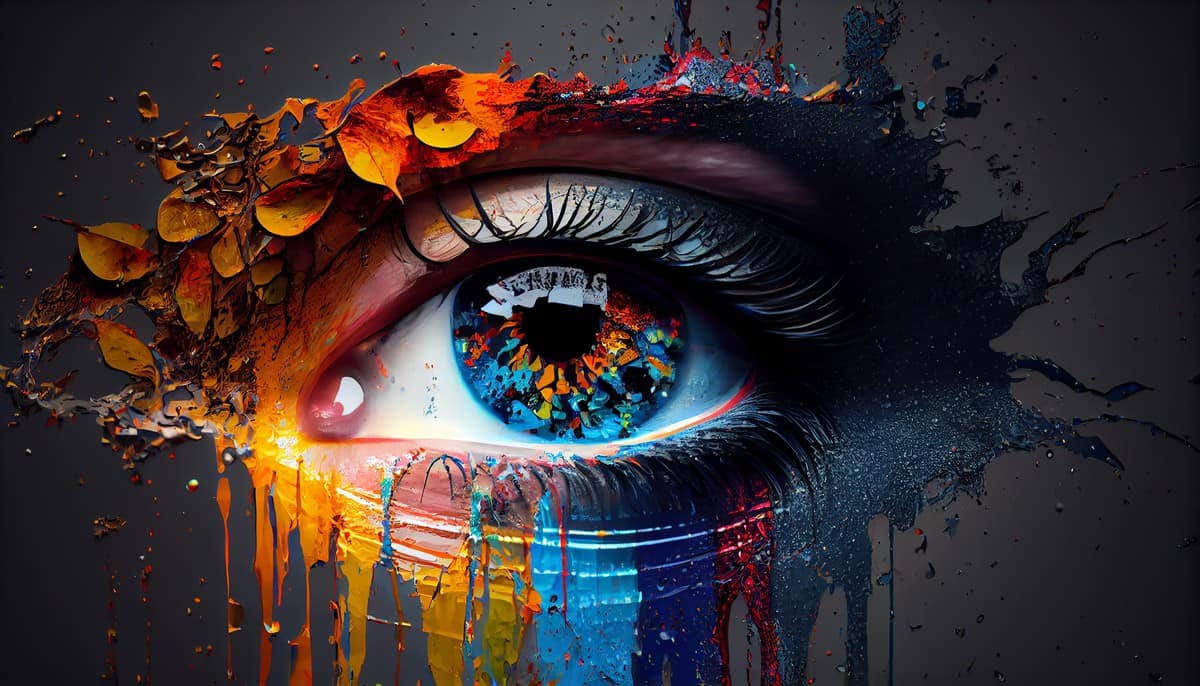
With recent advancements, AI can now perform tasks such as solving math problems, writing papers, finding sources, and even creating pictures and videos. This raises the question: is AI capable of creating artwork? To answer this, we must understand both the nature of AI and what qualifies as creativity or the creation of something new.
The Lovelace Test suggests that for a machine to be creative, it must produce original ideas. Similarly, a machine cannot possess humanlike intelligence if it only executes tasks programmed by humans. If AI can create artwork that is beyond our ability to explain, it could pass the Lovelace Test. This would be an emergent property—when AI produces something unforeseen or unintended. This raises another question: will AI eventually surpass human intelligence? While AI’s capabilities are growing exponentially, human intelligence evolves at a much slower rate.
I also participated in a Socrates Café discussion on whether AI can create art. Opinions were divided on what defines art and whether AI can truly create it. Some argued that art can be anything, while others believed that creative thought is necessary for something to be considered art. This debate reminded me of a course I took last year, HONR 105: Aesthetics in Context, Art Impulse, which explored the nature of art and the intentions behind its creation. For example, one artist traveled to countries where people sorted trash for a living and used bags of trash to create large collages depicting workers’ faces. This art had deep meaning, both for the artist and the workers involved. In contrast, some student art projects had less thought behind them; the creators simply wanted to have fun.
There’s also the question of whether the meaning of art comes from the artist’s intention or the viewer’s interpretation. Personally, I believe AI is capable of creating art. While AI’s art is typically digital, it can generate a wide range of pieces in response to simple prompts, producing unique and sometimes surprising results.
In conclusion, AI has the potential to create art, although the debate surrounding what defines “art” remains complex. While AI might not have human-like intentions or emotions, it can produce original works that challenge traditional notions of creativity. As AI continues to evolve, it will likely redefine how we think about artistic creation and the role of technology in the arts.