There are always tradeoffs
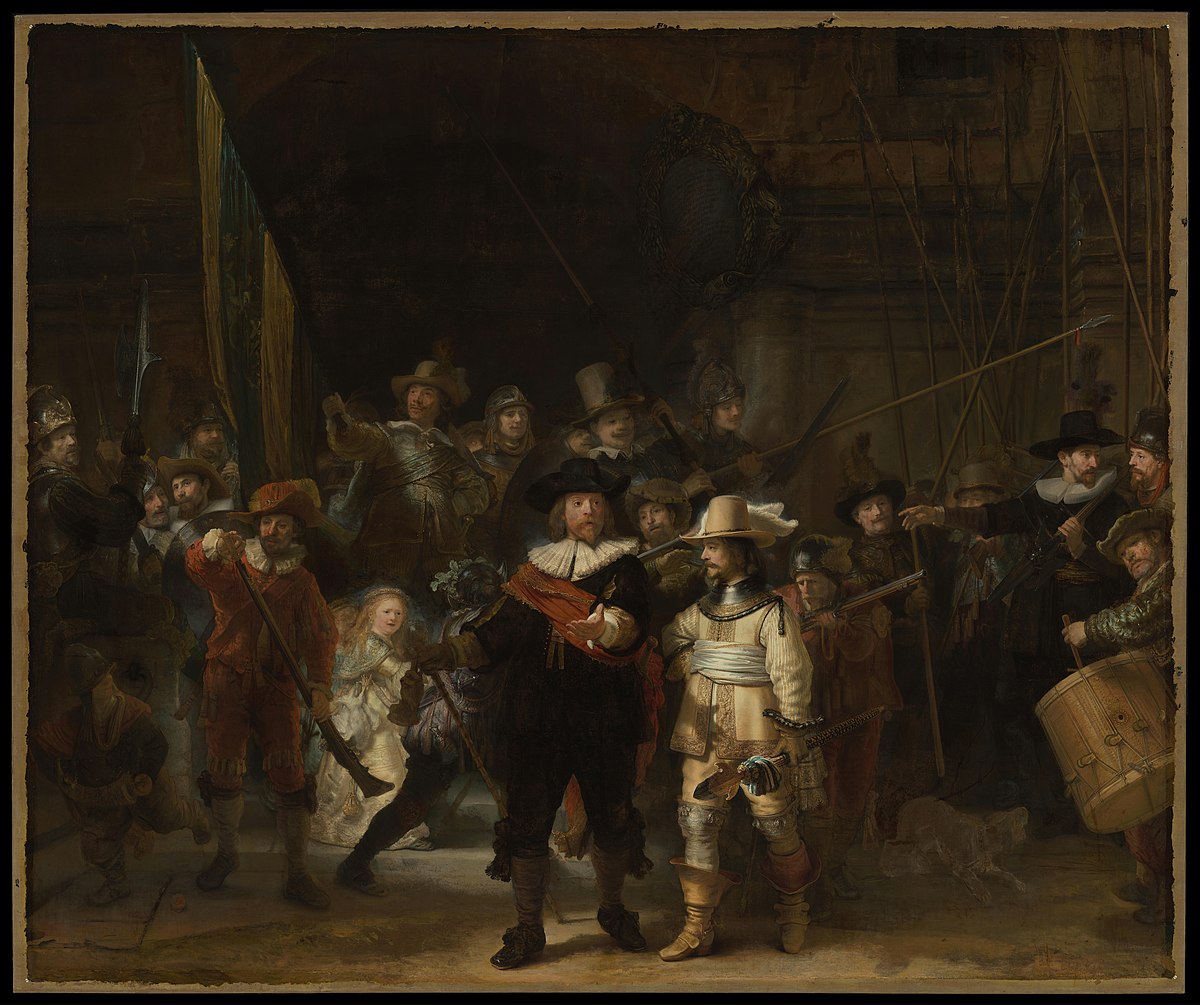
When analyzing the key differences between analog and digital technology, one may begin to wonder: is the digital representation of an object ever as good as the original analog object? One key difference between analog and digital is that analog is continuous, while digital is finite. An example of this is a bitmap image. A 24-bit bitmap image may have 16 million colors available, but this is still less than the infinite color possibilities of an analog image. For example, Rembrandt’s famous Night Watch painting has infinite possibilities for colors due to its analog nature. There is an argument that these infinite possibilities for colors are lost from analog to digital, although the human eye can only see around 1 million colors, and a digital image could have 16 million colors. A digital image of the painting Night Watch would have pixels, and even though they can be shrunk down beyond human sight to give the appearance of infinite colors, it will still change the viewer’s perspective compared to seeing the analog painting in person.
Something else to consider between a painting and its digital version is depth. A painting that is viewed in person has depth, meaning brush strokes and multiple paint colors layered on top of each other, which build off of the canvas and give depth to the surface. While a digital image of the painting may have all the same colors visible to the human eye, the depth of the layers and brush strokes is lost through the computer screen.
There are, however, benefits to the digital representation of an object. Digital representations are much easier to transport, store, and share between people. While the original Night Watch painting can only be viewed in the museum it is in, a digital image of the same painting can be viewed on computers around the world and can easily be transported and shared. The accessibility of digital images can be seen as one advantage over the analog version.
Human perception of an object can change when we digitize it. Most of the time, people place more value on an analog version of something compared to the digital version of it. For example, a record of a favorite song vs. the digital version of that song on the computer. Another example is a painting that you may hang up at your house; a digital image of the same painting online is less valuable to the individual compared to the original analog version. While the convenience of storage and ease of sharing a digital file may surpass the analog version, the value placed on the object depends on human perception, and sometimes the individual value of an object is lost when it is digitized.